-
Kính đúc thành thép (596)
-
Các thùng thép không gỉ (434)
-
Các thùng epoxy liên kết hợp hạch (592)
-
Các thùng thép galvanized (321)
-
Mái mái hố nhôm (1316)
-
Các bể lưu trữ nước thải (231)
-
bồn thép hàn (457)
-
Bình áp lực (295)
-
bể kỵ khí (201)
-
Các bể nước công nghiệp (349)
-
bể thép lót bằng thủy tinh (180)
-
Các thùng thép đinh (390)
-
Bể chứa bùn (115)
-
Bể chứa khí sinh học (173)
-
Các bể lưu trữ dung dịch (133)
-
Các bể lưu trữ nước nông nghiệp (179)
-
Bể nước chữa cháy (166)
-
Lưu trữ ngũ cốc (146)
-
Dự án khí sinh học (425)
-
Dự án xử lý nước thải (788)
-
Bức tường hai màng (223)

|
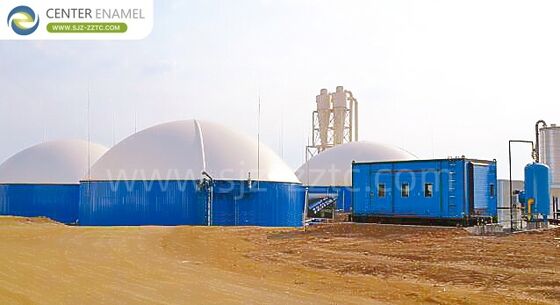
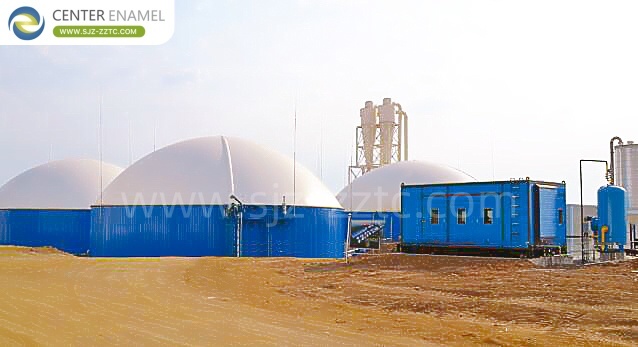
Giải pháp kỵ khí hiệu quả cho các dự án khí sinh học xử lý nước thải sắn ở Ấn Độ
| Nguồn gốc: | Trung Quốc |
| Hàng hiệu: | CEC TANKS |
| Chứng nhận: | ISO 9001:2008, AWWA D103 , OSHA , BSCI |
| Số mô hình: | W |
| Số lượng đặt hàng tối thiểu: | 1 BỘ |
| Giá bán: | $5000~$20000 one set |
| chi tiết đóng gói: | Bọt xốp PE giữa hai tấm thép; pallet gỗ và gỗ |
| Thời gian giao hàng: | 10-30 ngày sau khi nhận được tiền gửi |
| Điều khoản thanh toán: | L/C, T/T |
| Khả năng cung cấp: | 60 bộ mỗi tháng |
|
Thông tin chi tiết |
|||
| Nguồn gốc | Trung Quốc | Hàng hiệu | CEC TANKS |
|---|---|---|---|
| Chứng nhận | ISO 9001:2008, AWWA D103 , OSHA , BSCI | Số mô hình | W |
| Màu thân bể: | Màu xanh đậm/có thể được tùy chỉnh | Tính toàn vẹn ăn mòn: | Xuất sắc |
| Độ dày tấm thép: | 3 mm đến 12 mm, tùy thuộc vào cấu trúc bể | Kháng hóa chất: | Xuất sắc |
| Kích thước của bảng điều khiển: | 2,4M * 1,2M | Dễ dàng làm sạch: | Mịn, bóng, trơ, chống bám dính |
| Làm nổi bật: | Hệ thống khí sinh học xử lý nước thải vô khí,đề án khí sinh học xử lý nước thải Ấn Độ,India wastewater treatment biogas project |
||
Mô tả sản phẩm
Giải pháp kỵ khí hiệu quả cho các dự án khí sinh học xử lý nước thải sắn ở Ấn Độ
Là một trong những cường quốc nông nghiệp nổi bật ở châu Á, Ấn Độ đã có sự tăng trưởng mạnh mẽ trong lĩnh vực công-nông nghiệp, nhờ dân số trong nước ngày càng tăng và sự thúc đẩy mạnh mẽ đối với các hoạt động canh tác bền vững. Trong số các loại cây lấy củ cốt lõi, sắn giữ vị trí chiến lược cao, đặc biệt ở các bang miền nam và đông bắc như Tamil Nadu, Kerala và Andhra Pradesh. Ở những khu vực này, việc trồng sắn hỗ trợ mạng lưới nông hộ nhỏ rộng khắp và nuôi sống mạng lưới các cụm chế biến công nghiệp đang mở rộng nhanh chóng, sản xuất các mặt hàng có nhu cầu cao như tinh bột, cao lương, bột mì và ethanol sinh học.
Tuy nhiên, việc liên tục nâng cấp năng lực xử lý chắc chắn sẽ mang lại những thách thức đáng kể về môi trường. Để xử lý khối lượng lớn các sản phẩm phụ dạng lỏng có độ bền cao được tạo ra hàng ngày, việc tích hợp các giải pháp kỵ khí tiên tiến đã nổi lên như một con đường quan trọng—cho phép các nhà xử lý giảm thiểu căng thẳng sinh thái cục bộ đồng thời chuyển đổi thành công dòng chất thải công nghiệp thành năng lượng tái tạo, đáng tin cậy.
Nguồn và mối nguy môi trường của nước thải chế biến sắn
Việc khai thác và sản xuất tinh bột sắn và cao lương đòi hỏi một lượng nước lớn, dẫn đến việc liên tục tạo ra nước thải hữu cơ phức tạp và nặng nề. Các nguồn chính của nước thải công nghiệp này bao gồm:
Giai đoạn rửa và bóc rễ:Quá trình làm sạch và loại bỏ da ban đầu tạo ra một lượng đáng kể nước rửa có chứa đất, cát, cặn vỏ bỏ đi và các hạt tinh bột nổi.
Giai đoạn tách và chiết tinh bột:Quá trình nghiền, tách và tách chất xơ thô sau đó khỏi bột tinh bột tạo ra sản phẩm phụ dạng lỏng màu trắng đục, mật độ cao, đặc trưng bởi Nhu cầu oxy hóa học (COD) cực cao và Tổng chất rắn lơ lửng (SS) tăng cao.
Khi thải ra môi trường xung quanh mà không được xử lý nghiêm ngặt, lượng nước thải nông nghiệp trên diện rộng này gây ra những rủi ro nghiêm trọng đối với hệ sinh thái địa phương và sức khỏe cộng đồng. Nếu được lưu trữ trong các đầm phá mở, không có lớp lót hoặc các hố xử lý thông thường, nó sẽ trải qua quá trình phân hủy kỵ khí nhanh chóng không kiểm soát được, giải phóng một lượng đáng kể khí mêtan ($CH_4$) và các khí nhà kính khác trực tiếp vào khí quyển. Đồng thời, nước rỉ rác có tính axit cao và các hợp chất độc hại tự nhiên – chẳng hạn như glycoside cyanogen vốn có trong rễ sắn sống – có thể thấm vào các lớp đất lân cận. Điều này gây ra nguy cơ ô nhiễm nghiêm trọng đối với mạng lưới nước ngầm quý giá ở địa phương, đồng thời tạo ra mùi khó chịu độc hại và phá hủy môi trường sống dưới nước ở hạ lưu thông qua hiện tượng phú dưỡng nhanh chóng.
Nước thải sắn biến đổi thành khí sinh học như thế nào
Quá trình chuyển đổi nước thải sắn hữu cơ thành năng lượng sinh học sạch, dễ cháy xảy ra thông qua quá trình phân hủy kỵ khí - một trình tự sinh học được thiết lập tốt trong đó nuôi cấy vi khuẩn chuyên biệt sẽ phân hủy các thành phần hữu cơ dễ bay hơi trong môi trường hoàn toàn không có oxy. Trình tự sinh hóa phức tạp này hoạt động qua bốn giai đoạn sinh học tuần tự:
Thủy phân:Các cấu trúc hữu cơ lớn, phức tạp, bao gồm các polyme tinh bột còn sót lại và các sợi xenlulo thô, được hòa tan và đơn giản hóa thành các đơn vị nhỏ hơn, hòa tan được như đường đơn và monome hữu cơ.
Tính axit:Các vi sinh vật sản xuất axit lên men các hợp chất hòa tan mới được tạo ra này, chuyển chúng thành axit béo dễ bay hơi (VFA), các loại axit hữu cơ và rượu.
Sinh axetat:Vi khuẩn acetogen chuyên biệt phân hủy các axit béo dễ bay hơi hơn nữa, biến chúng thành axit axetic, khí hydro ($H_2$) và carbon dioxide ($CO_2$).
Sự sinh metan:Ở bước cuối cùng, vi khuẩn cổ sinh metan có độ nhạy cao chuyển hóa axit axetic và hydro tích lũy, tạo ra dòng khí sinh học năng suất cao chủ yếu bao gồm khí mê-tan ($CH_4$) và carbon dioxide ($CO_2$).
Sau khi được thu giữ an toàn, khí sinh học này có thể được sử dụng trực tiếp để tạo ra nguồn điện sạch, cung cấp nhiệt công nghiệp cho lò sấy tinh bột hoặc được nâng cấp thành khí mêtan sinh học nén (Bio-CNG) cho các đội xe thương mại.
Các công nghệ kỵ khí cốt lõi: CSTR, UASB, USR và IC
Việc lựa chọn thiết lập hệ thống thích hợp là rất quan trọng để quản lý thành công tốc độ tải chất hữu cơ biến động và chất rắn lơ lửng cao điển hình trong nước thải chế biến sắn. Center Enamel cung cấp kiến thức chuyên môn chuyên sâu về bốn quy trình kỵ khí riêng biệt:
CSTR (Lò phản ứng bể khuấy liên tục):Quá trình CSTR là sự lựa chọn đặc biệt để xử lý dòng chất thải có hàm lượng chất rắn cao hoặc bột giấy hữu cơ dày. Hệ thống trộn cơ học mạnh mẽ của nó duy trì môi trường sinh học hoàn toàn đồng nhất, ngăn chặn thành công sự hình thành cặn bề mặt và đảm bảo tỷ lệ chuyển đổi hữu cơ cao.
UASB (Tấm bùn kỵ khí dòng chảy ngược):Một quy trình pha lỏng tốc độ cao, có độ phản hồi cao phù hợp nhất cho nước thải sắn đã lắng trước hoặc có hàm lượng chất rắn thấp. Chất thải lỏng di chuyển lên trên qua lớp bùn dạng hạt dày đặc, tự lắp ráp, nhanh chóng phân hủy COD hòa tan trong phạm vi nhà máy tiết kiệm không gian.
USR (Lò phản ứng chất rắn dòng chảy ngược):Được cấu hình cụ thể để quản lý dòng chất thải có tổng chất rắn lơ lửng (SS) cao. Thiết kế lò phản ứng hoạt động bằng cách giữ lại các hạt chất hữu cơ trong vùng phân hủy trong thời gian dài, đảm bảo phân hủy triệt để và sản xuất khí sinh học vượt trội.
Lò phản ứng IC (Tuần hoàn nội bộ):Lò phản ứng sâu tốc độ cao, thế hệ tiếp theo có vòng tuần hoàn nội bộ hai giai đoạn tích hợp được điều khiển bằng lực nổi khí sinh học tự tạo. Nó vượt trội trong việc xử lý tốc độ tải hữu cơ thể tích cực lớn, khiến nó rất phù hợp với các nhà máy tinh bột công nghiệp tự động, quy mô lớn.
Ưu điểm của bể GFS ở Ấn Độ Dự án khí sinh học nước thải sắn
Hiệu suất lâu dài của bất kỳ dự án khí sinh học công nghiệp nào phụ thuộc trực tiếp vào độ tin cậy về cấu trúc của các lò phản ứng ngăn chặn chính của nó. Center Enamel kết hợp các bể chứa Glass-Fused-to-Steel (GFS) đẳng cấp thế giới để mang lại lợi ích hiệu suất tuyệt vời trong các điều kiện công nghiệp đòi hỏi khắt khe:
Che chắn hóa chất và ăn mòn đặc biệt:Quá trình phân hủy kỵ khí của nước thải sắn có tính axit tạo ra các axit hữu cơ khắc nghiệt và khí hydro sunfua ($H_2S$) có tính ăn mòn cao. Lớp vỏ thủy tinh trơ được kết hợp với lõi bảng thép tạo ra một lớp chắc chắn, không thấm nước, cách ly hoàn toàn thép khỏi mài mòn hóa học, vượt trội hơn bê tông truyền thống hoặc thép hàn.
Khả năng thích ứng với các điều kiện khí hậu và địa chấn đa dạng:Ấn Độ có nhu cầu khí hậu đa dạng, từ sức nóng nhiệt đới dữ dội và lượng mưa gió mùa lớn đến các vùng địa chấn mang tính cục bộ cao. Cấu trúc mô-đun, bắt vít của bể GFS mang lại sự linh hoạt về cấu trúc vượt trội, cho phép các bể chứa chịu được áp lực môi trường cục bộ và biến đổi nhiệt mà không phát triển các vết nứt cấu trúc.
Lắp đặt và hậu cần tại chỗ nhanh chóng:Được chế tạo hoàn toàn trong môi trường nhà máy được kiểm soát, xe tăng GFS được phân phối theo mô-đun đến địa điểm dự án và được lắp đặt nhanh chóng bằng kích chuyên dụng. Điều này giúp loại bỏ các giai đoạn bảo dưỡng bê tông kéo dài và giảm yêu cầu lao động cục bộ, đảm bảo đưa dự án vào vận hành nhanh chóng.
Dấu chân đất được tối ưu hóa và khả năng mở rộng:Cách bố trí theo chiều dọc của lò phản ứng GFS cung cấp khả năng lưu trữ thể tích lớn trong khi chiếm diện tích đất tối thiểu. Thiết kế nhỏ gọn này cho phép người vận hành nhà máy bổ sung liền mạch các đơn vị mô-đun phù hợp khi công suất xử lý và khối lượng rác thải đầu vào tăng lên theo thời gian.
Tại sao hợp tác với Center Enamel cho các dự án khí sinh học
Việc chọn Center Enamel làm nhà thầu Kỹ thuật, Mua sắm và Xây dựng (EPC) chuyên ngành của bạn sẽ mang lại nhiều lợi ích về mặt vận hành và công nghệ:
Gói kỹ thuật chìa khóa trao tay:Chúng tôi cung cấp dịch vụ trọn gói trong vòng đời dự án, bao gồm thiết kế quy trình sinh học tùy chỉnh, sản xuất bể GFS cao cấp, tìm nguồn cung ứng thiết bị phụ trợ chính xác, lắp đặt hiện trường nhanh chóng và vận hành hệ thống tự động hóa thông minh.
Thiết kế giải pháp kỹ thuật phù hợp:Hiểu rằng thành phần nước thải thay đổi tùy theo quy mô sản xuất và phong cách xử lý theo khu vực, các kỹ sư chuyên gia của chúng tôi định cấu hình mọi cách bố trí nhà máy kỵ khí để phù hợp chính xác với các đặc tính chất thải tại địa phương và các thông số môi trường trong khu vực.
Bộ thiết bị tích hợp đầy đủ:Ngoài việc sản xuất các bồn chứa GFS cao cấp, chúng tôi còn thiết kế và triển khai các thành phần quy trình quan trọng, chẳng hạn như bình chứa khí màng đôi, hệ thống trộn phù hợp và các thiết bị lọc khí sinh học tiên tiến.
Hồ sơ theo dõi dự án toàn cầu mở rộng:Với các hệ thống lưu trữ và xử lý được vận hành thành công tại hơn 100 quốc gia, Center Enamel điều chỉnh hiệu quả các sáng kiến chuyển rác thải thành năng lượng toàn cầu phù hợp với các tiêu chuẩn địa phương và nhu cầu khí hậu trên khắp Nam Á.
Nghiên cứu trường hợp dự án đã được chứng minh trong ngành
Khả năng thiết kế toàn cầu và các tiêu chuẩn kỹ thuật mạnh mẽ của Center Enamel được thể hiện thông qua việc lắp đặt các cơ sở chuyển đổi chất thải thành năng lượng quốc tế:
Trường hợp 1:Dự án khí sinh học của Pháp
Giai đoạn xử lý: CSTR
Kích thước bể: φ18,33 × 8,4 m (H) - 1 Đơn vị
Tổng thể tích: 2.215 m³ — 1 căn
Ngày hoàn thành: 2021
trường hợp 2: Dự án khí sinh học Canada
Kích thước bể: φ8,4 × 7,2 m (H) - 2 chiếc
Tổng khối lượng: 798 m³
Ngày hoàn thành: 2024
Phát triển cơ sở hạ tầng bền vững, hiện đại là điều cần thiết khi Ấn Độ tăng cường cống hiến cho tăng trưởng kinh tế xanh, tuân thủ nghiêm ngặt về xả thải công nghiệp và phục hồi tài nguyên bền vững. Việc xây dựng các dự án khí sinh học nước thải chế biến sắn chuyên dụng dựa trên các giải pháp kỵ khí tiên tiến và bể thủy tinh hợp nhất thành thép (GFS) cao cấp cung cấp cho các nhà chế biến tinh bột thương mại và chính quyền thành phố một phương pháp có độ tin cậy cao, sinh lợi để giải quyết các thách thức về rác thải môi trường.
Bằng cách hình thành mối quan hệ đối tác chiến lược với Center Enamel, các bên liên quan trong thành phố và công nghiệp đảm bảo quyền truy cập trực tiếp vào quy trình kỹ thuật đẳng cấp thế giới, cấu hình kỵ khí đã được chứng minh tại hiện trường và hệ thống ngăn chặn đàn hồi. Cách tiếp cận toàn diện này dễ dàng đáp ứng các yêu cầu nghiêm ngặt về môi trường ở địa phương, giảm đáng kể chi phí xử lý rác thải hàng ngày và mang lại nguồn năng lượng sạch đáng tin cậy—đảm bảo đạt được thành công các mục tiêu bảo vệ môi trường và năng lượng tái tạo lâu dài của Ấn Độ.