-
Kính đúc thành thép (596)
-
Các thùng thép không gỉ (434)
-
Các thùng epoxy liên kết hợp hạch (592)
-
Các thùng thép galvanized (321)
-
Mái mái hố nhôm (1316)
-
Các bể lưu trữ nước thải (231)
-
bồn thép hàn (457)
-
Bình áp lực (295)
-
bể kỵ khí (201)
-
Các bể nước công nghiệp (349)
-
bể thép lót bằng thủy tinh (180)
-
Các thùng thép đinh (390)
-
Bể chứa bùn (115)
-
Bể chứa khí sinh học (173)
-
Các bể lưu trữ dung dịch (133)
-
Các bể lưu trữ nước nông nghiệp (179)
-
Bể nước chữa cháy (166)
-
Lưu trữ ngũ cốc (146)
-
Dự án khí sinh học (425)
-
Dự án xử lý nước thải (788)
-
Bức tường hai màng (223)

|
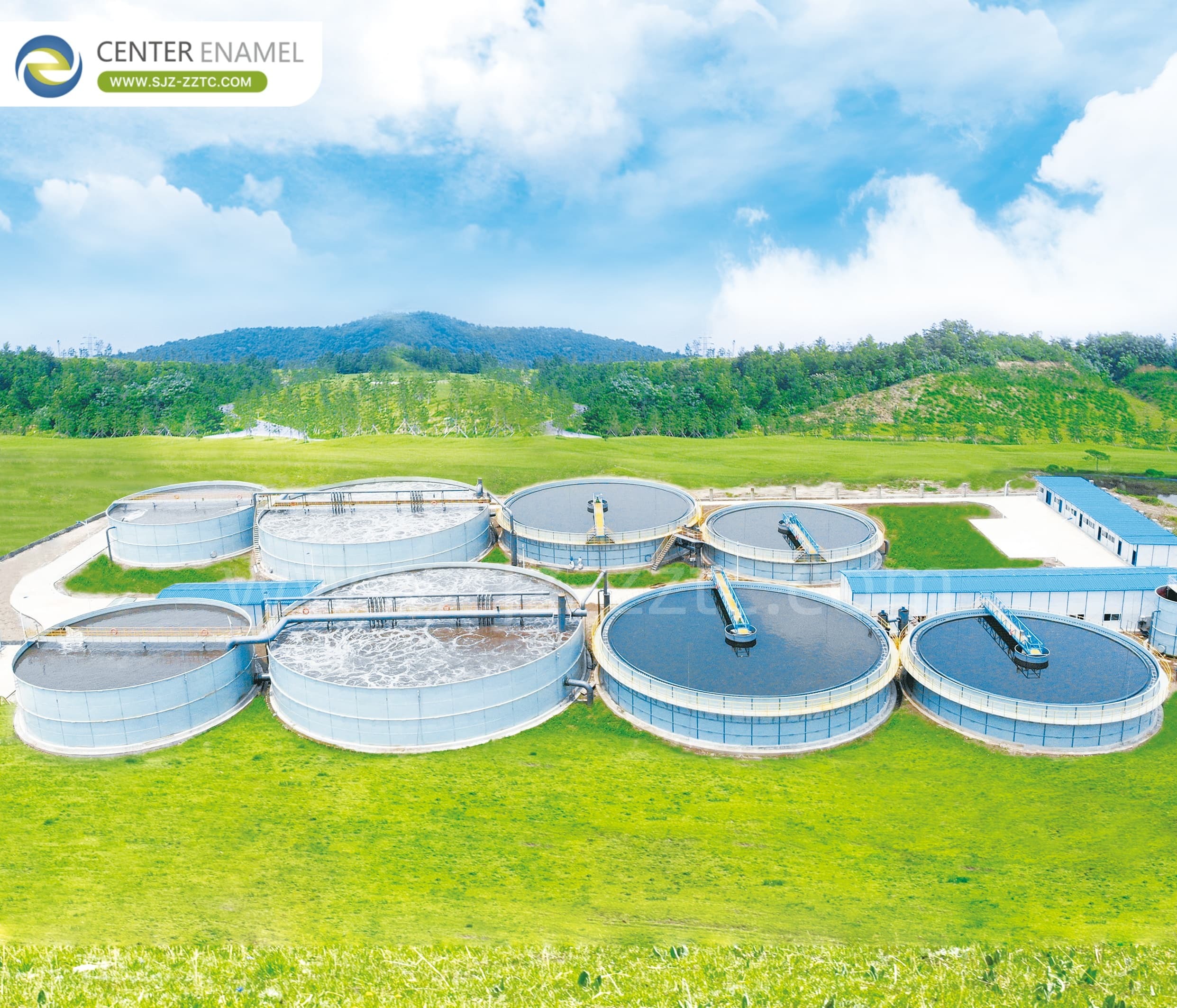
Chuyển đổi phân gia súc: Công nghệ khí sinh học & Bể chứa GFS ở Hàn Quốc
| Nguồn gốc: | Trung Quốc |
| Hàng hiệu: | CEC TANKS |
| Chứng nhận: | ISO 9001:2008, AWWA D103 , OSHA , BSCI |
| Số mô hình: | W |
| Số lượng đặt hàng tối thiểu: | 1 BỘ |
| Giá bán: | $5000~$20000 one set |
| chi tiết đóng gói: | Bọt xốp PE giữa hai tấm thép; pallet gỗ và gỗ |
| Thời gian giao hàng: | 10-30 ngày sau khi nhận được tiền gửi |
| Điều khoản thanh toán: | L/C, T/T |
| Khả năng cung cấp: | 60 bộ mỗi tháng |
|
Thông tin chi tiết |
|||
| Nguồn gốc | Trung Quốc | Hàng hiệu | CEC TANKS |
|---|---|---|---|
| Chứng nhận | ISO 9001:2008, AWWA D103 , OSHA , BSCI | Số mô hình | W |
| Màu thân bể: | Màu xanh đậm/có thể được tùy chỉnh | Tính toàn vẹn ăn mòn: | Xuất sắc |
| Độ dày tấm thép: | 3 mm đến 12 mm, tùy thuộc vào cấu trúc bể | Kháng hóa chất: | Xuất sắc |
| Kích thước của bảng điều khiển: | 2,4M * 1,2M | Dễ dàng làm sạch: | Mịn, bóng, trơ, chống bám dính |
| Làm nổi bật: | xử lý nước thải công nghệ khí sinh học,chuyển đổi phân bón bể GFS,dự án khí sinh học Hàn Quốc |
||
Mô tả sản phẩm
Chuyển đổi phân gia súc: Công nghệ khí sinh học & Bể chứa GFS ở Hàn Quốc
Khi Hàn Quốc tăng cường nỗ lực đạt được mức trung hòa carbon vào năm 2050, ngành nông nghiệp đang trải qua một sự chuyển đổi sâu sắc. Ngành chăn nuôi, đặc biệt là sản xuất thịt bò và sữa Hanwoo, là trụ cột quan trọng của an ninh lương thực và di sản văn hóa quốc gia. Tuy nhiên, cùng với việc hiện đại hóa phương thức canh tác, thách thức quan trọng là quản lý khối lượng lớn chất thải chăn nuôi. Đối với các trang trại chăn nuôi gia súc trên bán đảo Triều Tiên, áp dụng công nghệ tiên tiếnCông nghệ khí sinh họckhông còn là một sự lựa chọn mà là một sự cần thiết mang tính chiến lược. Bằng cách kết hợp các quá trình kỵ khí hiệu quả cao nhưUSR (Lò phản ứng chất rắn dòng lên)với độ bền caoBồn chứa thủy tinh hợp nhất với thép (GFS)Các nhà điều hành trang trại đang biến phân gia súc độc hại thành nguồn năng lượng sạch và có thể tái tạo.
Bối cảnh ngành chăn nuôi gia súc và những thách thức về chất thải của Hàn Quốc
Ngành chăn nuôi gia súc của Hàn Quốc có đặc điểm là hoạt động chăn nuôi với mật độ cao được thiết kế để đáp ứng nhu cầu ngày càng tăng về thịt bò nội địa chất lượng cao. Mặc dù hiệu quả nhưng các hoạt động này vẫn tạo ra một lượng đáng kể chất thải hữu cơ “có độ bền cao”. Phân gia súc nổi tiếng là khó xử lý do nồng độ chất rắn lơ lửng cao và các sợi hữu cơ phức tạp.
Việc xả trực tiếp hoặc xử lý chất thải này không đúng cách ở địa hình miền núi và nhạy cảm với nước của Hàn Quốc dẫn đến những mối nguy hiểm nghiêm trọng cho môi trường:
Ô nhiễm nước: Lọc nitrat và mầm bệnh vào nước ngầm địa phương và các lưu vực sông quan trọng.
Ô nhiễm khí quyển: Sự giải phóng khí mê-tan mạnh ($CH_4$) và amoniac, góp phần đáng kể vào lượng khí thải nhà kính của ngành nông nghiệp.
Mùi và sức khỏe cộng đồng: Các trang trại thâm canh gần khu dân cư phải đối mặt với áp lực ngày càng tăng trong việc loại bỏ mùi hôi và giảm thiểu rủi ro về an toàn sinh học.
Chính sách xử lý nước thải nghiêm ngặt của Hàn Quốc
Để giải quyết những vấn đề này, chính phủ Hàn Quốc đã thực thi các quy định nghiêm ngặt theo "Đạo luật phân bón chăn nuôi". Các chính sách này yêu cầu xử lý theo tiêu chuẩn và khuyến khích chuyển đổi chất thải chăn nuôi thành tài nguyên. Với sự mở rộng hỗ trợ gần đây của chính phủ đối với các cơ sở "chuyển chất thải thành năng lượng", các trang trại chăn nuôi gia súc đang được khuyến khích áp dụng hệ thống tiêu hóa kỵ khí để tuân thủ các tiêu chuẩn môi trường và góp phần cung cấp năng lượng tái tạo quốc gia.
Từ phân bón đến khí mê-tan: Quy trình sản xuất khí sinh học
Chuyển đổi phân gia súc thành khí sinh học là một quá trình sinh học có kiểm soát nhằm thu được giá trị tối đa từ các phụ phẩm nông nghiệp:
Bộ sưu tập: Phân và nước thải được tập trung tại bể chứa tập trung.
Tiêu hóa kỵ khí: Bùn được đưa vào mộtLò phản ứng kỵ khí. Trong môi trường không có oxy, vi khuẩn phân hủy chất hữu cơ qua bốn giai đoạn: thủy phân, sinh axit, sinh axetat và sinh metan.
Tạo khí mê-tan: Quá trình nắm bắtkhí sinh học(chủ yếu là khí metan), được lưu trữ trong hệ thống.
Phục hồi tài nguyên: Khí sinh học tinh khiết tạo ra điện hoặc nhiệt thông qua hệ thống Nhiệt và Điện kết hợp (CHP), trong khi chất thải còn lại được sử dụng làm phân bón hữu cơ chất lượng cao.
Kỹ thuật tiên tiến: Quy trình kỵ khí chuyên dụng
Center Enamel cung cấp một bộ công nghệ kỵ khí được thiết kế để xử lý các đặc tính cụ thể của nước thải chăn nuôi:
USR (Lò phản ứng chất rắn dòng lên): Được thiết kế đặc biệt cho chất thải có hàm lượng chất rắn lơ lửng (SS) cao. Nó cho phép tải lượng chất hữu cơ cao và phân hủy tối đa các sợi phức tạp, khiến nó trở thành lựa chọn lý tưởng cho phân gia súc dày.
CSTR (Lò phản ứng bể khuấy hoàn toàn): Sử dụng khuấy cơ học để giữ bùn ở trạng thái lơ lửng, đảm bảo quá trình phân hủy đồng đều và sản sinh khí sinh học ổn định.
UASB (Tấm bùn kỵ khí dòng chảy ngược): Tốt nhất cho nước thải có nhiều chất lỏng hơn, sử dụng lớp bùn dạng hạt để xử lý nhanh và loại bỏ COD hiệu quả cao.
Lò phản ứng IC (Tuần hoàn nội bộ): Một lò phản ứng tốc độ cao sử dụng bộ nâng khí bên trong để tuần hoàn nước, hoàn hảo cho chế biến sữa công nghiệp quy mô lớn.
Ưu điểm của bể GFS: Tàu phân hủy lý tưởng
Đối với các dự án khí sinh học ở Hàn Quốc,Bồn chứa thủy tinh hợp nhất với thép (GFS)là sự lựa chọn hàng đầu cho cơ sở hạ tầng lò phản ứng:
Khả năng chống ăn mòn vượt trội: Lớp phủ thủy tinh bảo vệ thép khỏi tác động ăn mòn của $H_2S$ và axit hữu cơ được tạo ra trong quá trình phân hủy.
Triển khai nhanh chóng: Cấu trúc mô-đun, bắt vít rút ngắn đáng kể thời gian xây dựng so với bể bê tông truyền thống.
Khả năng phục hồi khí hậu: Chúng chịu được nhiệt độ khắc nghiệt theo mùa và độ ẩm cao của Hàn Quốc mà không bị suy giảm chất lượng.
Bảo trì thấp: Bề mặt nhẵn ngăn ngừa sự tích tụ cặn và đảm bảo tuổi thọ sử dụng trên 30 năm.
Tại sao nên chọn Center Men?
Lựa chọnMen trung tâmcó nghĩa là hợp tác với một công ty hàng đầu thế giới về kỹ thuật môi trường. Với nhiều thập kỷ kinh nghiệm và dự án tại hơn 100 quốc gia, Center Enamel cung cấpgiải pháp EPC chìa khóa trao tay. Chúng tôi xử lý mọi việc từ thiết kế quy trình sinh học ban đầu và sản xuất bể chứa đến hỗ trợ lắp đặt và sau bán hàng. Cam kết về chất lượng của chúng tôi đảm bảo rằng hệ thống khí sinh học của bạn hoạt động hiệu quả, tuân thủ các tiêu chuẩn môi trường của Hàn Quốc và được xây dựng để tồn tại lâu dài.
Câu chuyện thành công toàn cầu: Các trường hợp dự án đã được chứng minh
Trường hợp 1: Dự án khí sinh học Singapore
Giai đoạn xử lý: CSTR
Kích thước bể:
φ18,34 × 8,4 m (H) - 1 Đơn vị
φ8,41 × 9,0 m (H) - 1 Đơn vị
φ11,46 × 7,2 m (H) - 1 Đơn vị
Tổng khối lượng: 3.458 m³
Năm hoàn thành: 2021
Trường hợp 2: Dự án khí sinh học Thụy Điển
Kích thước bể: φ19,11 × 19,2 m (H) - 1 Đơn vị
Tổng khối lượng: 5.510 m³
Năm hoàn thành: 2024
Đối với ngành chăn nuôi gia súc Hàn Quốc, hội nhậpCông nghệ khí sinh họcvớiquá trình USRVàxe tăng GFSđại diện cho tương lai của quản lý chất thải bền vững. Chuyên môn kỹ thuật toàn diện của Center Enamel giúp các chủ trang trại đáp ứng các quy định nghiêm ngặt về môi trường đồng thời giảm chi phí năng lượng. Bằng cách chuyển đổi phân gia súc thành năng lượng tái tạo, các trang trại Hàn Quốc có thể đạt được "nền kinh tế tuần hoàn" bền vững, bảo vệ môi trường tự nhiên của quốc gia đồng thời nâng cao lợi nhuận hoạt động lâu dài trong nhiều thập kỷ tới.